FD-IX and AI Interconnection
AI interconnection means the physical and digital links between the systems that run AI. It connects GPU clusters, storage, research networks, and cloud regions, enabling them to share data quickly and smoothly.

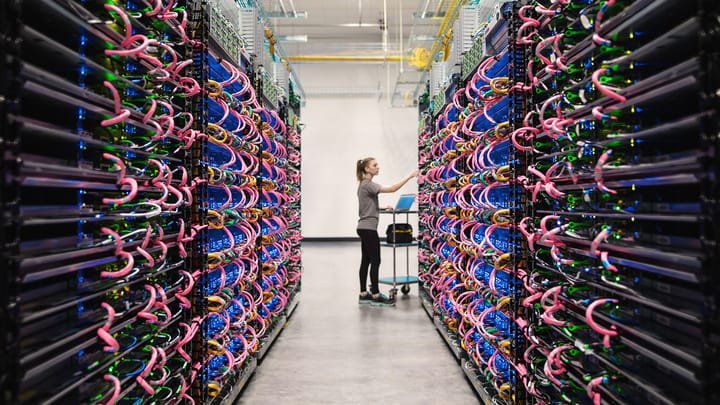
AI workloads involve moving huge amounts of data. Training models, syncing datasets, and running inference all need systems to exchange lots of information. This data usually travels between GPU clusters, storage, cloud providers, and data sources. The network connecting these parts is what people mean by AI interconnection.
AI interconnection means the physical and digital links between the systems that run AI. It connects GPU clusters, storage, research networks, and cloud regions, enabling them to share data quickly and smoothly. Often, this is done using private fiber, data center networks, or Internet exchanges.
This matters because AI workloads require large amounts of bandwidth and low latency. When training runs on hundreds or thousands of GPUs, those systems are always sharing data. If the network is slow, the whole training process slows down. A weak network just leaves costly GPUs sitting idle.
Why Traditional Connectivity Struggles
Most Internet traffic used to come from people downloading things. Streaming video, browsing web pages, and downloading files all sent data one way. Networks were designed for that pattern.
AI workloads behave very differently. Training clusters send data back and forth between systems. Datasets move between storage and compute nodes. Model updates are copied across regions. Instead of lots of small data flows to users, AI creates huge internal flows between its own systems.
This change puts more strain on the network. Connections that handled web traffic well can quickly get overloaded when hundreds of GPUs start sharing data. AI interconnection solves this by putting high-capacity connections right between the systems that need to work together.
The Key Characteristics
AI interconnection setups usually have a few things in common.
First, very high bandwidth. 100G is too slow for AI Interconnection; 400G and, increasingly, 800G are becoming common as AI clusters connect to switching fabrics or interconnection hubs.
Second, they have low-latency paths. AI workloads run better when compute clusters can share data quickly. Direct network routes help avoid slowdowns during training.
Third, there is dense connectivity between participants. Storage providers, model builders, cloud regions, and data platforms often need direct links to each other.
Fourth, they offer predictable routing. Engineers prefer clear, direct paths between systems instead of long, uncertain routes over the public Internet.
Where Internet Exchanges Fit
Internet exchanges help with AI interconnection by bringing networks together in one place. When several providers connect to the same network fabric, they can share traffic directly instead of sending it through other networks. This setup lowers latency and gives participants more bandwidth.\
An exchange also acts as a neutral meeting spot. A GPU cluster operator, a storage provider, and a cloud region can all connect at the same place. Once they join the exchange, they can set up direct BGP sessions and move traffic locally. For workloads moving hundreds of gigabits per second, cutting out extra network steps is important.
A Change in How Networks Are Built
AI is changing how networks are designed. Now, instead of just delivering content to users, networks are more focused on moving data between different computing environments.
The focus is shifting from user-access bandwidth to infrastructure bandwidth. Engineers now think about how GPU clusters connect to storage, how model builders exchange datasets, and how training systems sync across regions. The network becomes a critical part of the AI pipeline rather than just a delivery mechanism. AI interconnection is about building that network the right way.
When done right, it lets computing systems run at full speed. If done poorly, it becomes the bottleneck that holds AI systems back. Contact FD-IX about our AI Interconnection fabrics today.